Does Your Dog Have Separation Anxiety?
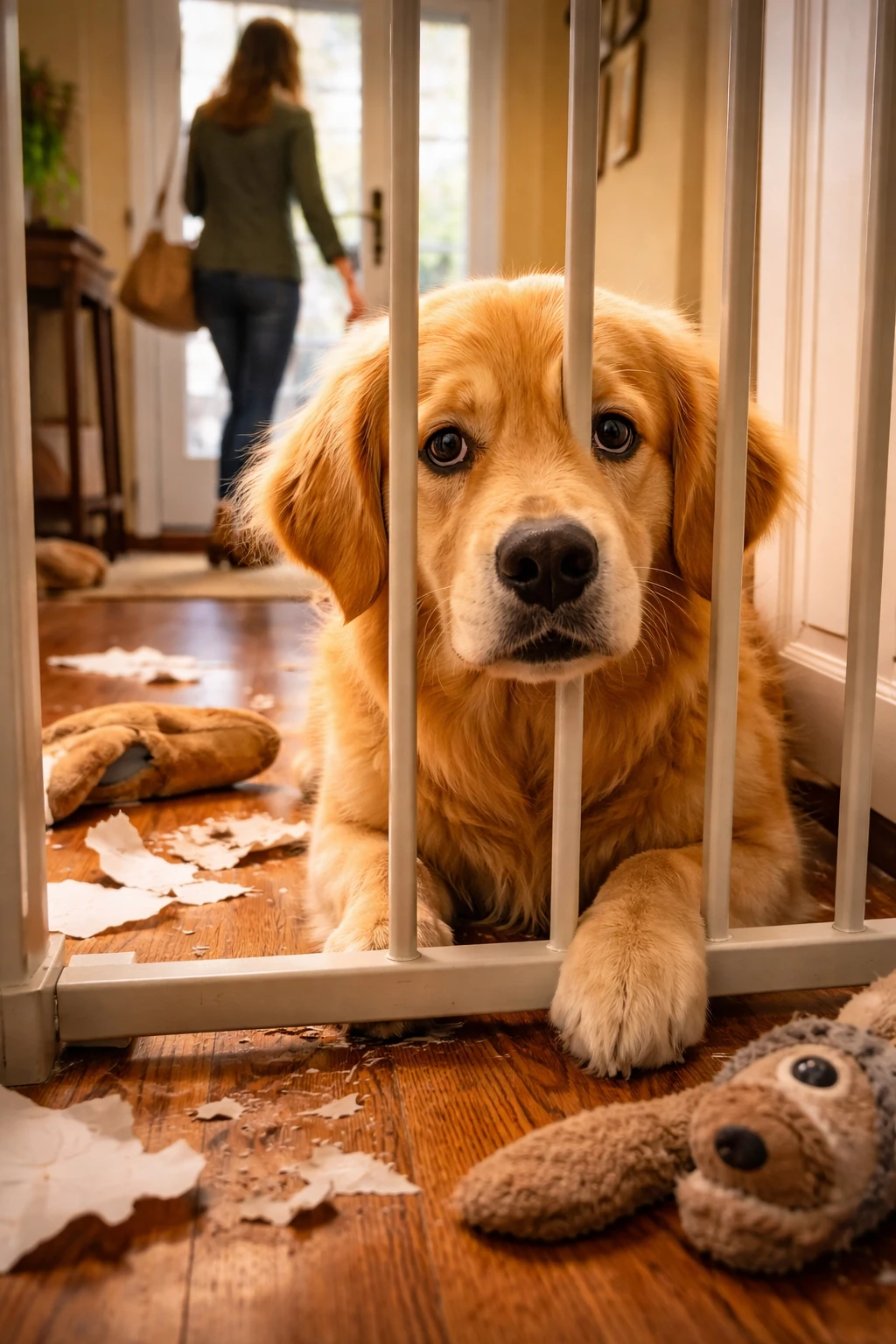 Does Your Dog Have Separation Anxiety?
Signs to Watch For—and How You Can Help
If your dog follows you from room to room, panics when you grab your keys, or seems distressed when left alone, you’re not imagining things. Separation anxiety is a real and common issue for dogs, and it can be heartbreaking for owners who just want their pups to feel safe and secure.
Let’s walk through what separation anxiety looks like, why it happens, and what you can do to help your dog cope.
🐾 What Is Separation Anxiety in Dogs?
Separation anxiety occurs when a dog becomes extremely stressed when separated from their owner or primary caregiver. This stress goes far beyond normal boredom or mild whining—it’s rooted in fear and emotional distress. This psychological insecurity often leads to behavioral problems.
Dogs are pack(family-oriented) animals. When they form strong bonds (which is a good thing!) over time, they come to depend on the presence of others for their emotional security. This often happens when they lack confidence due to trauma or a lack of training/socialization/structure in early life. As a result, they do not react well to being left alone and will find ways to act out.
🚨 Common Signs of Separation Anxiety
Not all dogs show anxiety the same way. Some signs are subtle, while others are impossible to ignore.
Common symptoms include:
- Excessive and constant barking, whining, or howling when you leave
- Destructive behavior (chewing doors, furniture, personal items and sometimes chewing their own paws!)
- Attempts to escape crates or rooms(sometimes to the point of inflicting self harm/bleeding!)
- Pacing, drooling, or panting/licking themselves excessively
- Accidents in the house despite being house-trained
- Refusing food when left alone
- Over-excitement or distress when you return
If these behaviors happen only when you’re gone—or even preparing to leave—separation anxiety may be the cause.
💔 Why Do Dogs Develop Separation Anxiety?
There’s no single cause, but common triggers include:
- Major changes (moving, schedule changes, new family members)
- Loss of a previous owner or companion animal
- Rescue or shelter backgrounds
- Lack of gradual alone-time training as a puppy
- Strong attachment to one person
Importantly: your dog is not being “bad” or spiteful. Anxiety-driven behavior is emotional/psychological, not intentional.
🧠 How You Can Help Your Dog
Helping a dog with separation anxiety takes patience, consistency, and compassion—but progress is possible.
✅ Start Small
Practice leaving for very short periods (seconds or minutes) and gradually increase the time. Keep departures and arrivals low-key.
✅ Create a Safe Space
Some dogs feel safer in a cozy room or crate (if crate-trained). Add familiar scents, comfortable bedding, and favorite toys.
✅ Use Enrichment Tools
Food puzzles, lick mats, or long-lasting chews can help redirect nervous energy and create positive associations with alone time.
✅ Exercise Before Leaving
A well-exercised dog is more likely to rest while you’re gone.
✅ Avoid Punishment
Punishing anxious behavior will increase fear and damage trust. Always focus on calm, positive reinforcement.
🩺 When to Seek Professional Help
If your dog’s anxiety is severe or not improving, it’s okay—and wise—to ask for help.
Consider reaching out to:
- A certified professional dog trainer
- A veterinary behaviorist
- Your veterinarian (who may discuss medical or behavioral support options)
Early support can prevent anxiety from worsening and improve your dog’s quality of life.
❤️ You’re Not Alone—and Neither Is Your Dog
Separation anxiety can be challenging, but it doesn’t mean you’ve failed as a dog owner. In fact, it often means your dog loves and trusts you deeply, perhaps too much. It is a sign that the dog lacks confidence when alone and is unsure as to whether or not you will return. The stress often leads to destructive and even self-harming behavioral issues that should be addressed sooner rather than later.
As a responsible pet owner, it is up to you to build trust and train your dog so that it builds up the confidence to overcome this insecurity. It is a gradual process that will take time and patience on both ends, so be prepared. While challenging, the outcome will be well worth it. A calm and confident dog makes the best companion.
With understanding, structure, and the right support, most dogs can learn to feel calmer and more confident when left alone.
Your dog wants to feel safe—and you’re already taking the first step by learning more. 🐶💕